
YFF EXAMPLES

Close-Up Research is an ethnographic research and video agency. We use qualitative research and videography to understand lived experience – exploring what people think, feel and do, and how policies, programmes and services are experienced in practice. Our films and insights help clients to design, evaluate and communicate better policies, products and services.

Below are examples of documentary video case studies, followed by other multimedia outputs.

DOCUMENTARY VIDEO EXAMPLES

What are the impacts of a Youth Social Action Fund? / BBC CHILDREN IN NEED

As part of this evaluation, we visited four grantee organisations across the UK to produce this comprehensive video report. We also made individual edits for each organisation, and one short film featuring just the young people’s voices.

This film is divided into five sections, navigable via the Chapter button to the right of the play bar: About the Organisations, Impact for the Young People, Change in the Communities, Challenges & Advice, Looking Ahead.

What were people’s experiences of a Welfare-To-Work scheme? / Lewisham Strategic Partnership

In 2012, we spent time with five participants to understand their journeys back to work from long-term unemployment. This film informed and brought to life this written evaluation report.

The film is divided into four sections, navigable via the Chapter button to the right of the play bar: Context & employment history, Importance of personalised one-to-one support, Circular process & system challenges (inc. lack of coordination & inflexible training conditions), Support not taking personal barriers into account.

How do ‘behavioural difficulties’ affect children and their families? / Impact on Urban Health

In partnership with Renaisi, we conducted in-depth ethnographies with 18 families where children had shown persistent violent or defiant behaviour, to produce written portraits, a case study podcast, and an insights report with recommendations for better support. More here.

WHAT WERE THE IMPACTS OF A ‘FAMILY INNOVATION FUND’? / ESSEX COUNTY COUNCIL

ECC’s ‘Family Innovation Fund’ supported different organisations to help families in volatile situations build resilience, and reduce their reliance on statutory support. We produced a series of these ethnographic video case studies to inform and bring to life the evaluation report.

How is the Violence Reduction Unit’s ‘Stronger Futures Programme 1.0’ impacting young people? / Mayor’s Office for Policing and Crime

Co-designed with participant Chloe, this film is part of our ongoing evaluation work with the Violence Reduction Unit – exploring how their Stronger Futures programme supports young people and communities through prevention.

This film is from the first, Stronger Futures 1.0 evaluation, and tell Chloe’s story.

HOW IS THE VIOLENCE REDUCTION UNIT’S ‘STRONGER FUTURES 2.0′ PROGRAMME IMPACTING YOUNG PEOPLE? / MOPAC

For the Stronger Futures 2.0 evaluation, we visited 3 more grantee organisations to understand the impact of the programme for the young people involved and their communities.

This summary insights edit is divided into three sections, navigable via the Chapter button to the right of the play bar: About the organisations, What’s been the impact? (with 3 sub-sections), and What works best? The individual films can be found here.

How did the Young Londoners fund help young people? / Greater London Authority

Through 218 youth projects, the Young Londoners fund aimed to help children and young people to fulfil their potential, particularly those at risk of getting caught up in crime. This is a shorter edit for social media – the full case study, produced to accompany the written evaluation report, can be viewed here.

What are the impacts of an after-school support charity? / Into University

IntoUniversity runs after-school centres that provide academic support and mentoring for young people from less privileged backgrounds, to help them attain a university place or pursue a chosen vocation. We spent a month visiting their Brent centre to produce this ethnographic report.

MULTIMEDIA EXAMPLES

What are the experiences of young people living in temporary housing? / Children’s Rights Alliance for England

This film, co-designed with the young people whose experiences are shared, was shown at The House of Commons to highlight the realities of living in temporary housing.

We conducted interviews with the young people, and then, to protect their anonymity, brought the audio recordings of their words to life using objects and stop-motion animation. The young people also helped out on set, and their hands can be seen in shot.

What’s it like growing older in Lincolnshire, and how can the council help? / Centre for Ageing Better

This project used photo-ethnography, presented in video form. We visited organisations working with older people across Lincolnshire, to speak with people about their experiences of growing older in the county, what they liked about living in there, and what improvements they’d like to see.

The interviews were recorded in audio-only format, and accompanied by photos of the participants and their local environments.

What does the Prevention & Diversion Assessment involve? / Youth Justice Board

We worked with a team of young people to co-design a short explainer video that shows what the initial ‘Prevention & Diversion Assessment’ process involves, why it exists, and how it’s meant to support young people coming into contact with the youth justice service. This film was produced as part of Cordis Bright’s evaluation of the Prevention and Diversion Assessment Tool.

How can health and social care be improved for adults with learning disabilities and autism? / Social Care Institute for Excellence

This was a co-production project to understand the health and social care experiences of adults with learning disabilities and autism, and to translate the resulting insights from our workshop with the group, into this film of actionable recommendations.

WHAT MAKES YOUNG PEOPLE HAPPY? / INTO UNIVERSITY

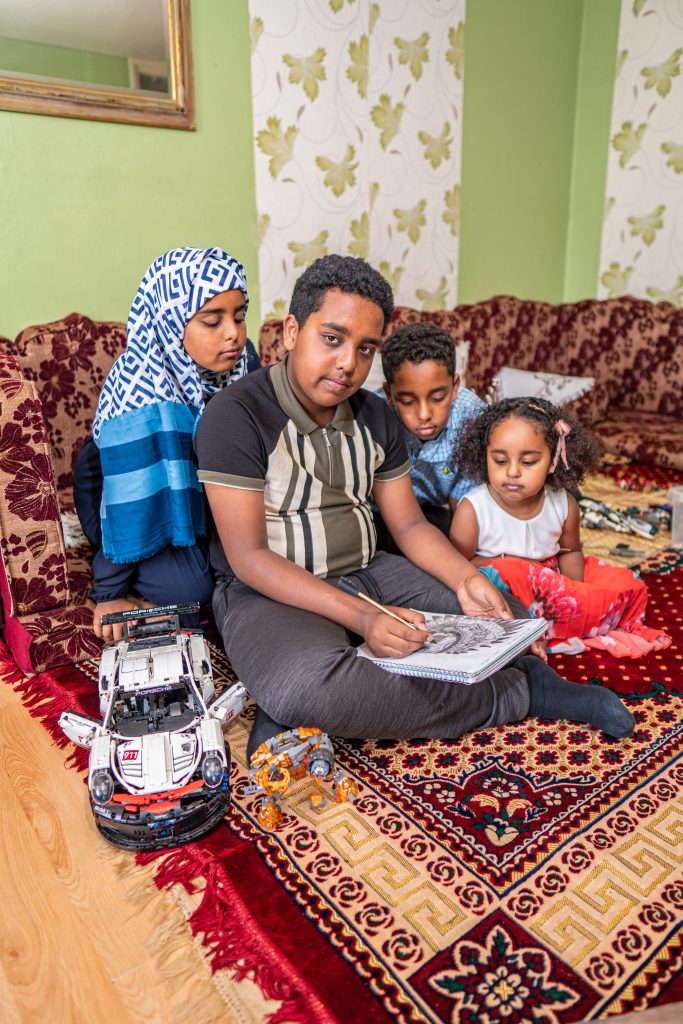
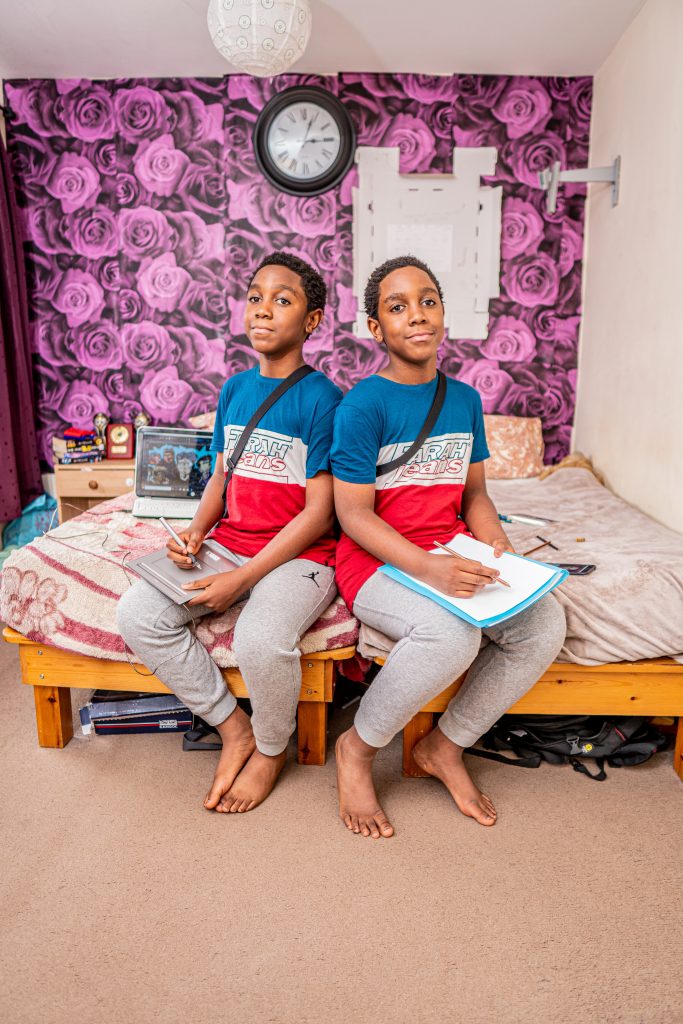
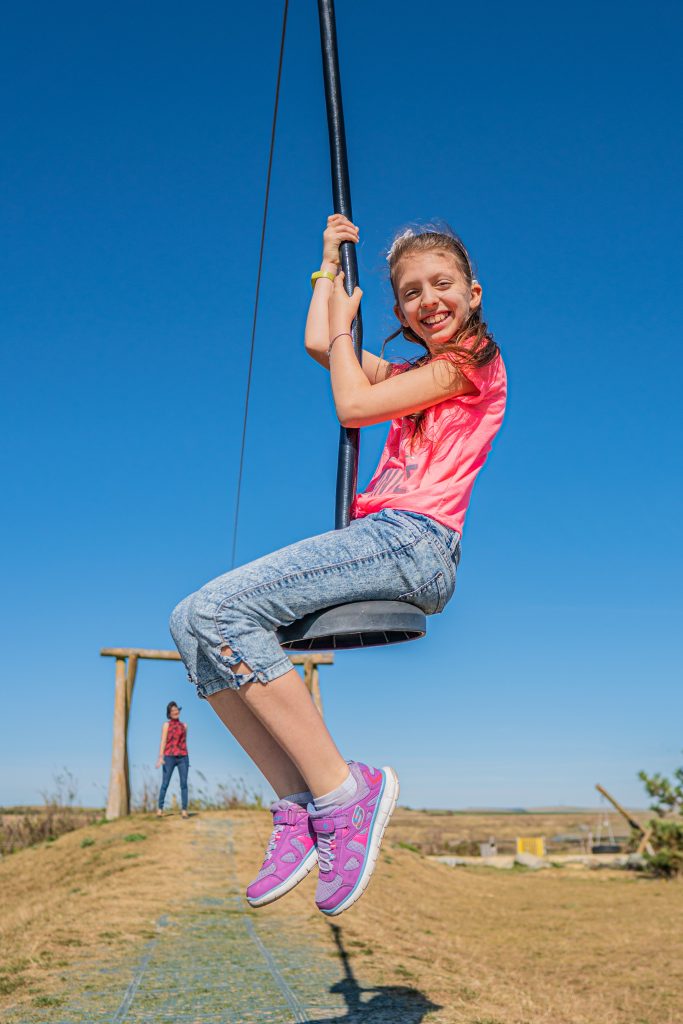
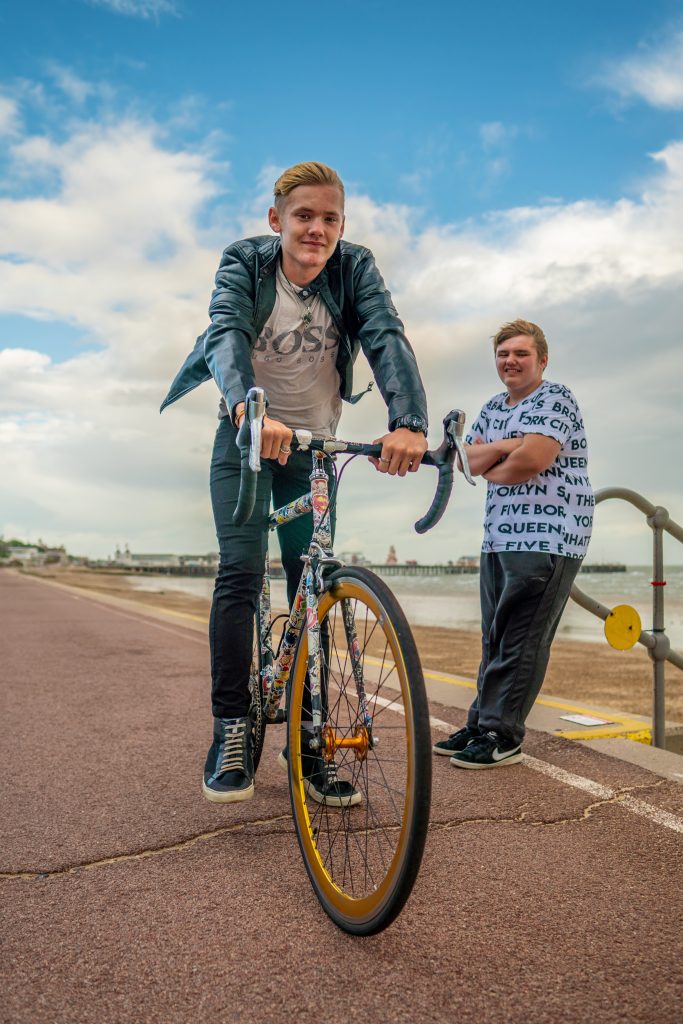
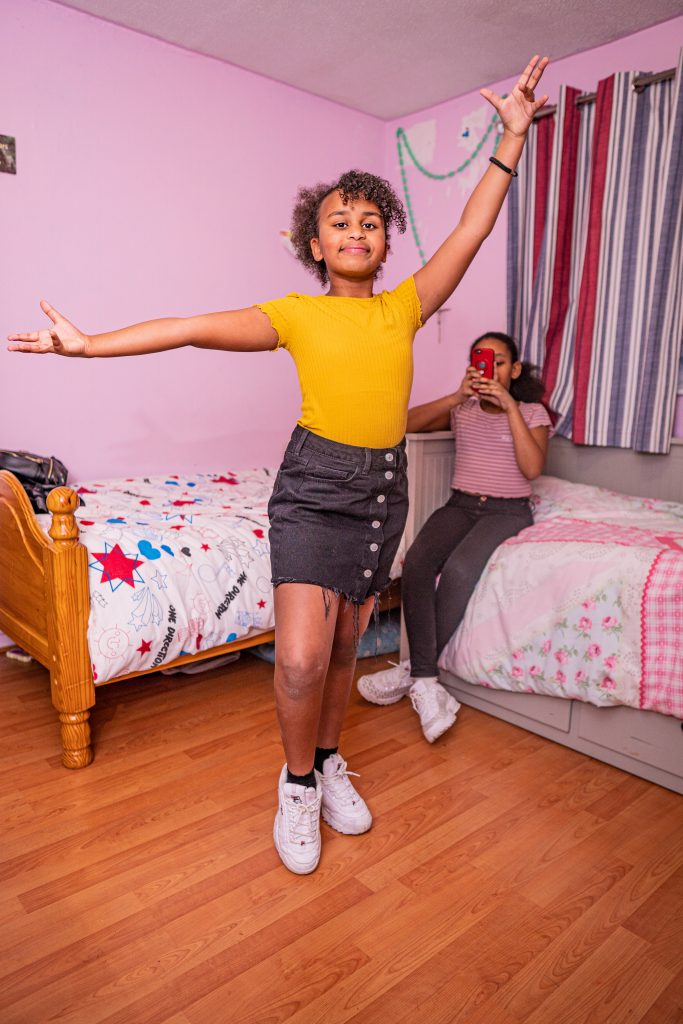
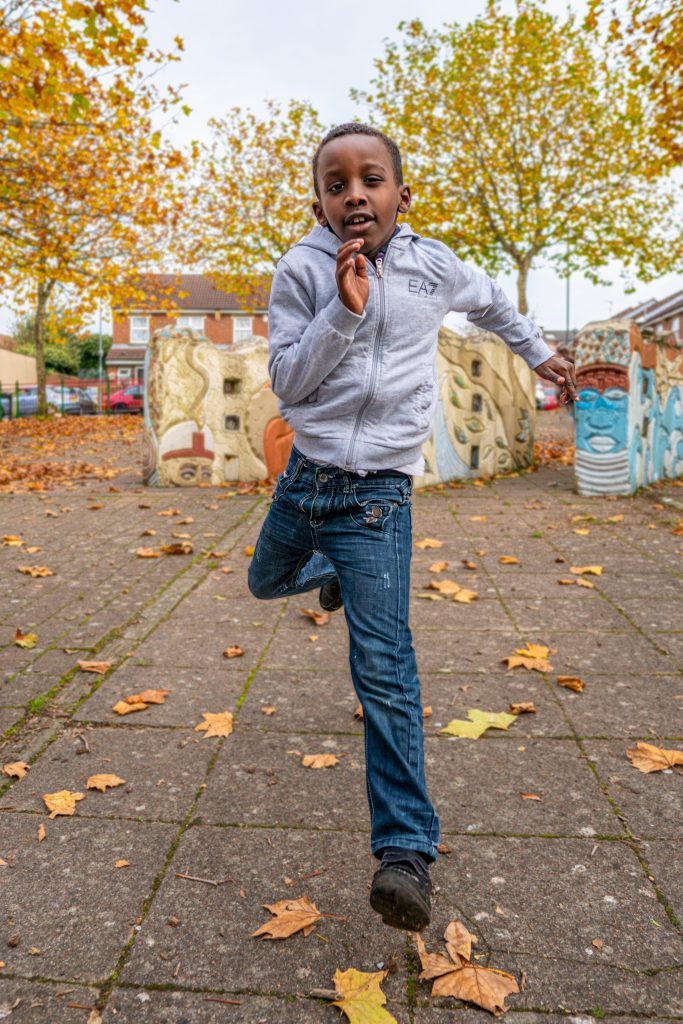
To find out more about the young people who attend IntoUniversity’s after-school support centres, we visited attendees across the country, to take their photo portraits and interview them in their homes. The theme we used for both the portraits and interviews was ‘three things that bring you most joy’. Clicking on an image below will open an interview snippet.